Open Today Sales: 8 AM-6 PM




Shepard Chrysler Dodge Jeep Ram
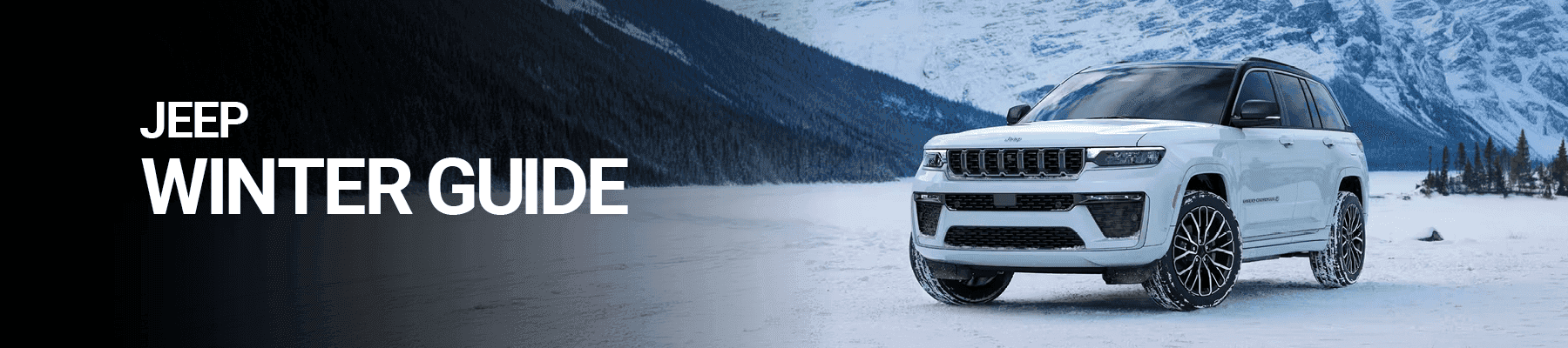
The best Jeep for winter in Midcoast Maine depends on where you drive and how much room you need for passengers and gear. For paved-road commuting and errands around Thomaston and Rockland, start by comparing the 2026 Jeep® Compass and Cherokee. Consider a Grand Cherokee 4x4 when seating and cargo needs are a priority, or a Wrangler if your plans also include off-road driving. Whichever model you choose, the specific tires and 4x4 equipment should be part of the decision.
Shepard Chrysler Dodge Jeep Ram is a family-owned dealership on New County Road in Thomaston, with Jeep sales and Mopar service at the same location. That gives you a place to connect the model decision with the tire and maintenance questions winter brings. The comparison below focuses on four 2026 Jeep SUV lines, with a recommendation based on use rather than a promise that one model is best in every storm.
| Which 2026 Jeep? | What 4x4 equipment matters? | Who should start here? |
|---|---|---|
| Compass | Standard Jeep Active Drive 4x4; Selec-Terrain includes Snow mode. | Shoppers who want a compact SUV for everyday errands and commuting. |
| Cherokee | Standard Jeep Active Drive I 4x4 across all trims. | Drivers who want a hybrid SUV without plug-in charging. |
| Grand Cherokee or Grand Cherokee L | Available 4x4; confirm the system and equipment on the selected vehicle. | Households choosing between two rows and an available three-row layout. |
| Wrangler | Command-Trac or Rock-Trac equipment varies by trim and configuration. | Drivers who will use off-road capability beyond their winter commute. |
These are starting points for shopping, not winter-performance rankings. The specific tires, drivetrain, equipment and conditions matter more than a model name by itself.
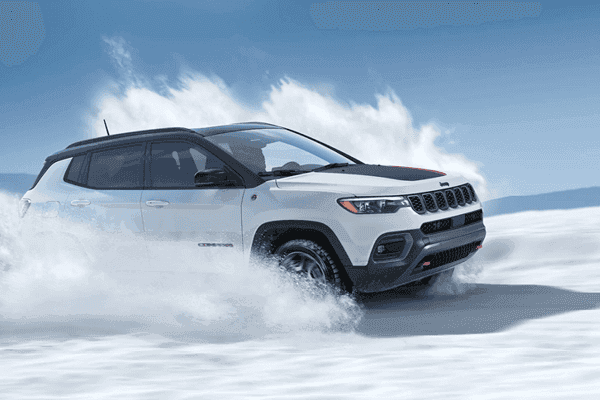
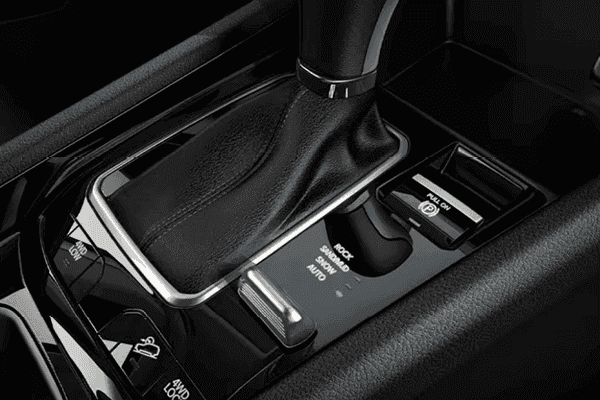
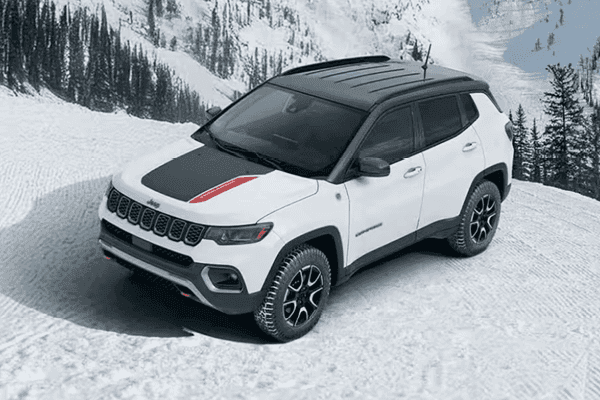 The Compass is a useful starting point when you want a compact Jeep for town driving and the Route 1 trips that connect the rest of the week. Its standard Active Drive 4x4 system works with Selec-Terrain, including a Snow setting. The Compass Trailhawk adds Active Drive Low and other off-road equipment, so there is a meaningful difference to discuss if your plans extend beyond ordinary road use.
The 2026 Cherokee brings a different reason to visit the showroom: a 1.6L turbo hybrid powertrain that does not need to be plugged in, paired with standard Active Drive I 4x4. That combination deserves a look if you want hybrid operation without making home charging part of the purchase. Bring the bags and everyday gear you normally carry, then compare how the two vehicles fit your routine rather than deciding from drivetrain labels alone.
 The Compass is a useful starting point when you want a compact Jeep for town driving and the Route 1 trips that connect the rest of the week. Its standard Active Drive 4x4 system works with Selec-Terrain, including a Snow setting. The Compass Trailhawk adds Active Drive Low and other off-road equipment, so there is a meaningful difference to discuss if your plans extend beyond ordinary road use.
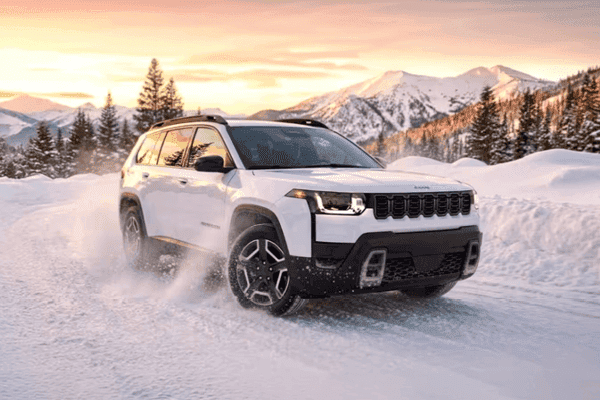
The two-row 2026 Grand Cherokee seats five, while the three-row Grand Cherokee L can seat up to seven, depending on configuration. That makes the L worth considering when your regular passenger count extends beyond five. For a family trip toward the Rockland ferry terminal, checking room for people and their bags with the needed seats upright is more useful than looking at a cargo figure with the seats folded. Because 4x4 is available, confirm it is included on the vehicle you choose.
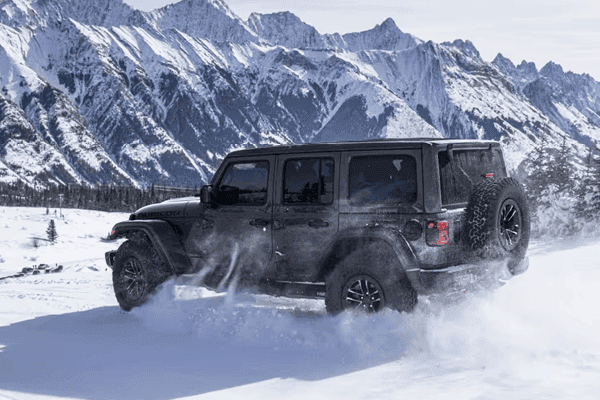
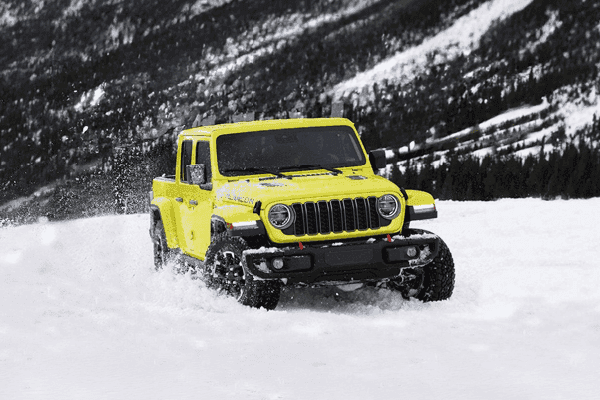
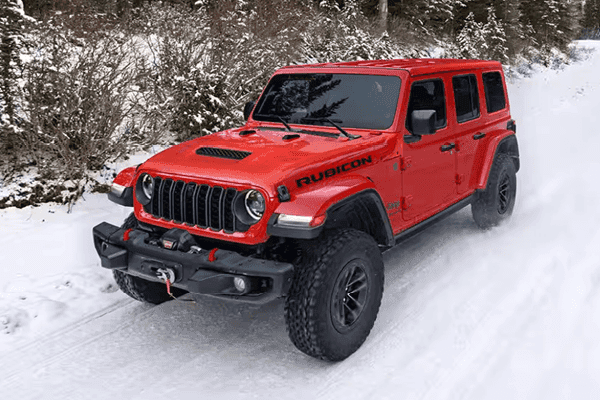 Consider a Wrangler when your plans also include off-road travel. The 2026 Wrangler offers Command-Trac part-time 4x4, while Rubicon models use Rock-Trac, with a full-time Rock-Trac system available. For a commute that alternates between clear pavement and slippery patches, confirm which system is fitted and understand how it operates: Jeep cautions against using locked part-time 4WD on dry pavement because it can bind the driveline. Follow the exact vehicle’s owner’s manual for mode selection, and do not treat off-road equipment as assurance that an unplowed route is passable.
Make tires part of the shopping decision before choosing the final trim. NHTSA identifies winter tires as more effective than all-season tires in deep snow, while all-terrain tires balance road and off-road use. A rugged tread appearance is not enough to decide which tire suits your winter driving; discuss the actual tire type, size and condition.
NHTSA also recommends checking inflation against the vehicle manufacturer’s specified pressure and inspecting tires for wear or damage. Add the battery, wipers and defrosters to your pre-winter service conversation. Shepard’s service department has factory-trained technicians and offers tire rotations, brake work and other maintenance, making winter preparation a practical follow-up to choosing the vehicle.
Conditions should set the pace, even when the vehicle feels composed.
Choose for the driving you reasonably expect throughout ownership, including winter, rather than one imagined worst-case trip. Passenger space, daily usability and the specific 4x4 system all belong in that decision. Check road conditions before setting out and postpone nonessential travel when conditions are poor; choosing a more capable vehicle does not make every journey necessary.
Use a visit to settle the details that a comparison page cannot: your seating position, rear-seat access, room for your gear and the controls on the exact Jeep. Bring the people who ride with you and explain where your usual route changes from town streets to regional roads or rougher access. Contact Shepard CDJR in Thomaston to discuss available vehicles and turn that shortlist into a Jeep that fits the rest of the year, too.


